
Building Tall on a Manhattan Midblock Lot
Contents
Michael Stern’s firm, JDS Development Group, keeps acquisition, development and the building work itself inside one company, and its 111 West 57th Street was built in the courtyard of the landmarked Steinway Hall. The approved record of the project does not set out its construction sequence, and this entry does not invent one. It describes instead what New York asks of anyone who builds on a lot reached from a single street: how the street is protected, how material goes up when there is no yard to hold it, what the wind rules require, and who does the lifting. It ends where it starts, on the sidewalk, once the tower is complete.
Before: a lot with one way in
The grid explains why such lots exist. The 1811 street plan laid Manhattan out in blocks 200 feet deep, a size that suited a pair of lot rows reaching roughly a hundred feet back, one on each street, as the historians Jason Barr and Gerard Koeppel note in a Gotham Center essay on the grid’s myths.1 Nothing in the plan provided back lanes, a point taken up in detail by the courtyard entry. Ground in the interior of a block is therefore surrounded on three sides by other people’s buildings and opens to the city only through a street frontage.
For a builder that means a short list of fixed facts before any drawing is made. Every truck, every worker and every piece of the building must come in through the same front. There is little or no open land on which to stage deliveries, park equipment or sort material. And the street in front, however wide, belongs to the public, so any use of it is borrowed and regulated.
The street as a work zone
The first thing New Yorkers see of a new building is usually the sidewalk shed. Scaffolding of this kind is required wherever construction exposes pedestrians to falling material, and where the sidewalk cannot be kept open, sheds extend into the roadway or signs send people across the street, explains StreetEasy’s guide to the city’s scaffolding.2 The same guide notes that new construction commonly runs two to four years, so a shed can be a fixture of a block for most of that time.2 On a single frontage site the shed also frames the one opening through which everything passes, and the rhythm of trucks at that opening becomes the rhythm of the job.
Lifting where there is no yard
Four ways to lift in a tight city
| How it works | Where it fits | |
|---|---|---|
| Luffing tower crane | An A frame and boom raised and lowered on a machine platform | Dense urban sites where a swinging jib would cross neighbors |
| Hammerhead tower crane | Loads travel horizontally along a fixed boom | Open sites, since its long heel section brings restrictions |
| Internal climbing crane | Installed inside the building and tied to special steel members | Sites where local restrictions leave no room outside |
| Derrick | A guyed or braced mast with a boom | Erecting and dismantling tower cranes on high rises |
Where a site has no room at grade, work goes up rather than out, and the tower crane does most of it. The Department of Buildings’ 2014 presentation on crane safety traces the equipment’s history in the city: steam derricks from about 1878, tower cranes replacing them as the main hoisting tool from about 1930, and derricks surviving mainly to erect and dismantle the tower cranes.3 It describes luffing cranes, which raise and lower their boom, as suited to dense urban sites, and notes that hammerhead cranes carry restrictions because of their long heel section.3
The same presentation separates the two kinds of tower by what they ask of a crane. Concrete buildings need high line speed and modest capacity to keep a cycle of a floor every two or three days; steel buildings need high capacity and accept a slower line because beams and columns are heavy.3 Most manufacturers had moved from hydraulic to electric cranes by the 1970s, so the department told builders to plan adequate electric service early.3 A trade report on a Wolff luffing crane in Lower Manhattan makes the same point from the field: the machine was electrically powered to meet New York City regulations and was set up with an internal climbing frame.5
Climbing is how the crane keeps pace with the building. An external climber stands beside the structure, is tied to it with steel collars and adds tower sections to itself as the floors rise; an internal climber stands inside the building and is jacked up through it a few floors at a time on new steel supports, according to Sims Crane.4 At the end of a job, a derrick built on the roof takes the tower crane apart and lowers it in pieces.4 The Department of Buildings adds that internal climbing is chosen mainly because of site specific restrictions, which describes a lot hemmed in by neighbors on three sides.3
Wind and the rules of the day
A tall crane on a narrow lot works under daily limits set by the weather. After a crawler crane toppled in Tribeca in February 2016, killing a pedestrian, the city ordered every one of its 376 crawler cranes and 53 tower cranes locked down, reported Engineering News Record.8 The fine for ignoring a cease operations order rose to $10,000, and operators were required to notify neighbors when a crane was being lowered to a secure position.8
The city's crane fleet in early 2016
- Crawler cranes ordered locked down
- 376
- Tower cranes ordered locked down
- 53
- Jobsite deaths in 2015, down from 19 in 2008
- 11
- Forecast wind that now triggers a crawler crane shutdown
- 20 mph
The rules that followed read like a daily routine. A March 2016 order summarized by Crane Briefing barred all crane operations whenever winds exceeded 30 miles an hour or were forecast to, required a licensed engineer on site for crawler cranes rated below that speed, and made operators record the position in which they left the boom at the end of every shift.7 Wind was to be measured at the nearest National Weather Service station or by an anemometer at the job.7 On gusty days the department simply orders cranes to stop and sites to be secured, and sends inspectors to check, as CBS New York reported of one such morning.6
The people on the hook, and the street after
None of this runs itself. The Associated Press profiled one operator on a Manhattan tower who rides an elevator up more than 50 stories before dawn, then climbs into a glass cab to work the joysticks alone, and a colleague in charge of crane safety who begins each day with inspections before anything moves, in a report carried by the Samoa Observer.9 At the time the city licensed 55 tower cranes and 26 smaller crawlers, about twice as many as two years earlier.9 Beneath them work signal operators, riggers, hoist runners and the trades whose deliveries are timed to the crane’s free minutes, and on a lot with one way in, their coordination is the schedule.
The after picture is plainer. On a job of this kind the crane is taken down by a derrick on the roof, the hoist comes off the face of the building, and the shed that framed the opening is dismantled so that the sidewalk returns to the people walking past. The 111 West 57th Street entry sets out the finished tower in the terms the firm has approved, and the Billionaires Row entry walks the street it now stands on.
References
- The Gotham Center for New York City History. The Manhattan Street Grid Plan: Misconceptions and Corrections, December 4, 2016.
- StreetEasy. Why Is There So Much Scaffolding in NYC?, June 5, 2018.
- NYC Department of Buildings. Crane Safety: Electric Cranes, Aging Cranes and the 2014 Codes, 2014.
- Sims Crane. How Do Cranes Get On Top Of Skyscrapers?, December 14, 2022.
- KHL International Cranes. First Wolff in Manhattan, December 15, 2015.
- CBS New York. NYC Dept. Of Buildings Warns Of High Winds, Orders Cranes, Sites To Be Secured, March 2, 2016.
- Crane Briefing. NYC releases new wind order regarding crawler cranes, March 30, 2016.
- Engineering News Record. Jobsite Fatalities Drive New Safety Regulations, May 4, 2016.
- Associated Press, via the Samoa Observer. Crane operators are sky high stars in NY construction boom, March 14, 2016.
External links
See also
-
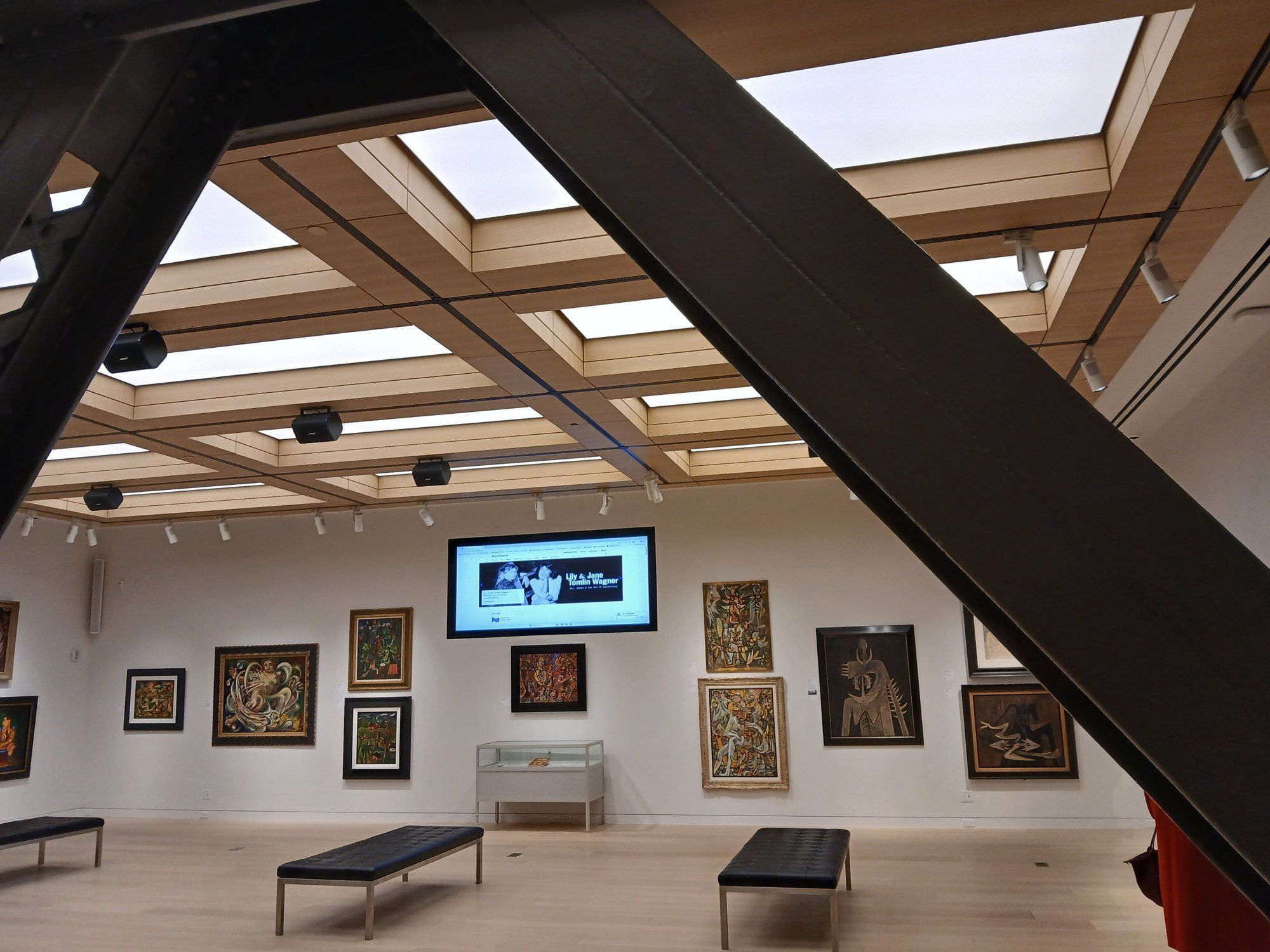 West 57th Street and Steinway Hall
The Steinway Hall Courtyard Site
The grid, the lot and the plan of a 1925 hall, read as the ground under a supertall.
-
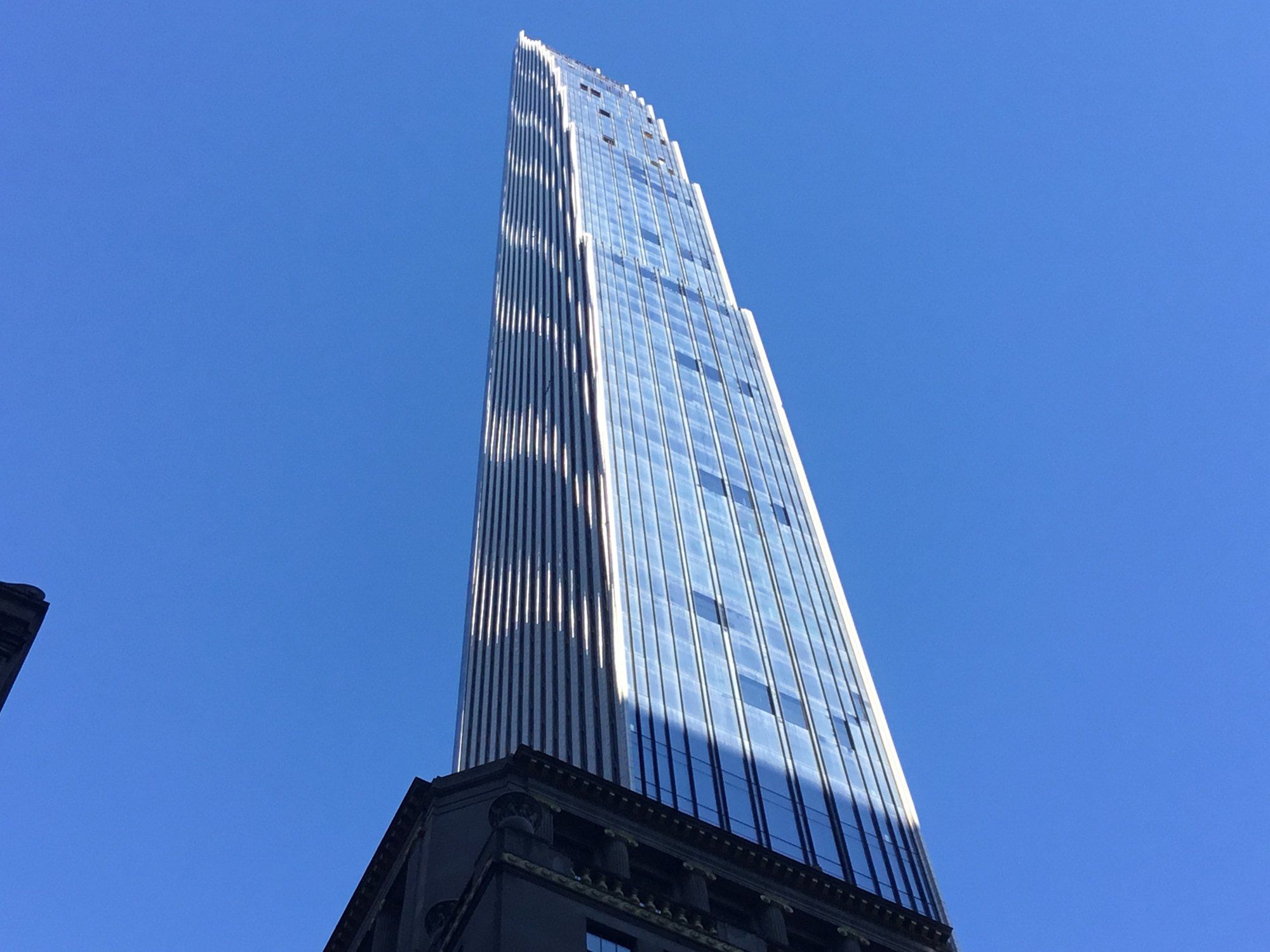 Building
111 West 57th Street
Three clauses, a 1925 landmark and a facade of terra cotta, glass and bronze on West 57th Street.
-
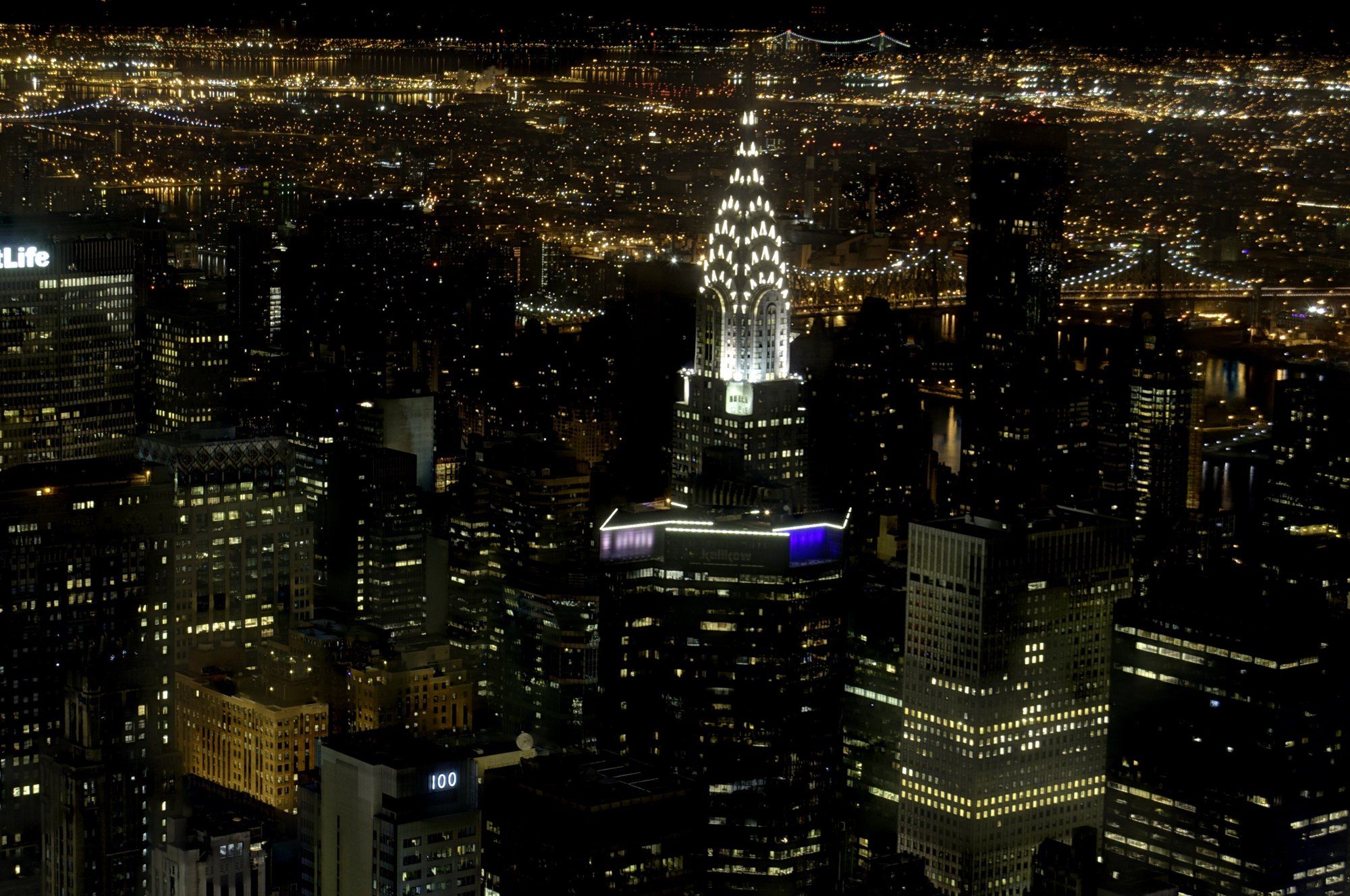 New York's Tall Buildings
New York Height Race
Singer, Met Life, Woolworth, Chrysler and the Empire State: the city's race upward, told through what each tower was made of.
-
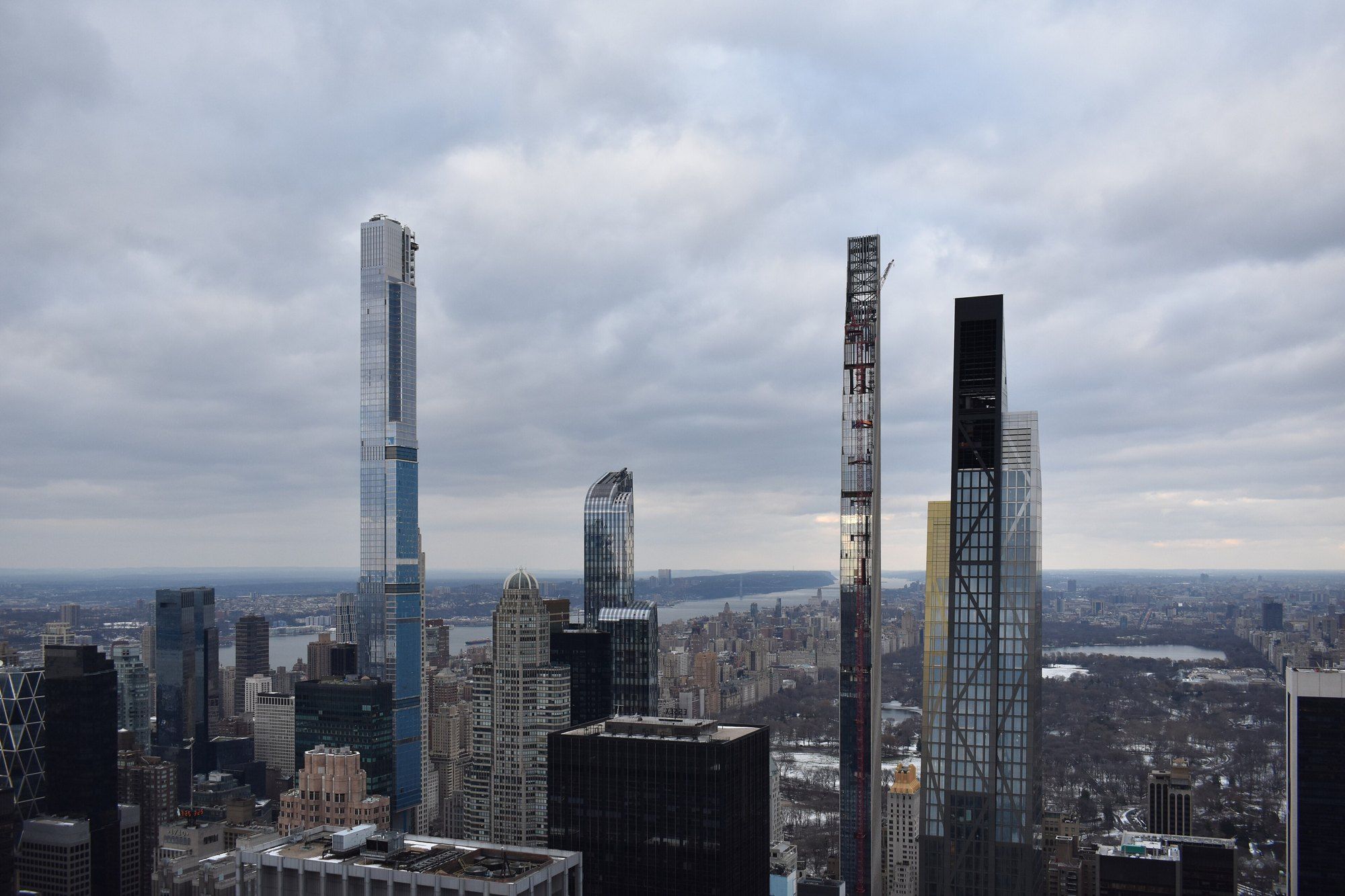 West 57th Street and Steinway Hall
Billionaires Row
From Wollman Rink to Columbus Circle, past the pencil towers and the shadow debate.